
Moore Haven Green Waste Disposal Services
Choose our Green Waste Disposal for reliable, environmentally responsible service that keeps your property clean and supports a healthier community—experience hassle-free pickups and sustainable waste management you can trust.
Get a Free QuoteOur Moore Haven Landscaping & Yard Care Services
When to Schedule Green Waste Disposal in Moore Haven, Florida – Seasonal Guide
In Moore Haven, Florida, the timing of green waste disposal is closely tied to our unique subtropical climate and the rhythms of the Caloosahatchee River region. With mild winters and hot, humid summers, the optimal periods for scheduling green waste removal are typically late winter through early spring and again in late summer, just before hurricane season peaks. These windows allow homeowners in neighborhoods like Lakeport and near the Moore Haven Canal to clear out storm debris, fallen branches, and seasonal yard trimmings before heavy rains or high winds increase the risk of clogged drains and property damage.
Local environmental factors play a significant role in determining the best disposal schedule. For example, the sandy soils common in the area drain quickly but can dry out during drought periods, making it important to remove excess organic matter before it accumulates. Shade coverage from mature oaks in Riverside Drive or the open, sun-exposed lots near the Glades County Courthouse can also affect how quickly yard waste decomposes. Additionally, being aware of the last frost date—usually in early February—helps residents plan major cleanups without risking damage to sensitive plants. For more information on local regulations and disposal guidelines, visit the official city resource.
Local Factors to Consider for Green Waste Disposal in Moore Haven
- Tree density and types (e.g., live oaks, palms, cypress)
- Proximity to water bodies like the Caloosahatchee River
- Seasonal precipitation and hurricane risk
- Soil drainage and composition
- Municipal pickup schedules and restrictions
- Neighborhood-specific landscaping trends
- Shade coverage and sun exposure
Benefits of Green Waste Disposal in Moore Haven

Eco-Friendly Landscaping Solutions
Efficient Yard Waste Removal
Promotes Healthy Plant Growth
Reduces Landfill Waste
Improves Curb Appeal
Supports Local Sustainability
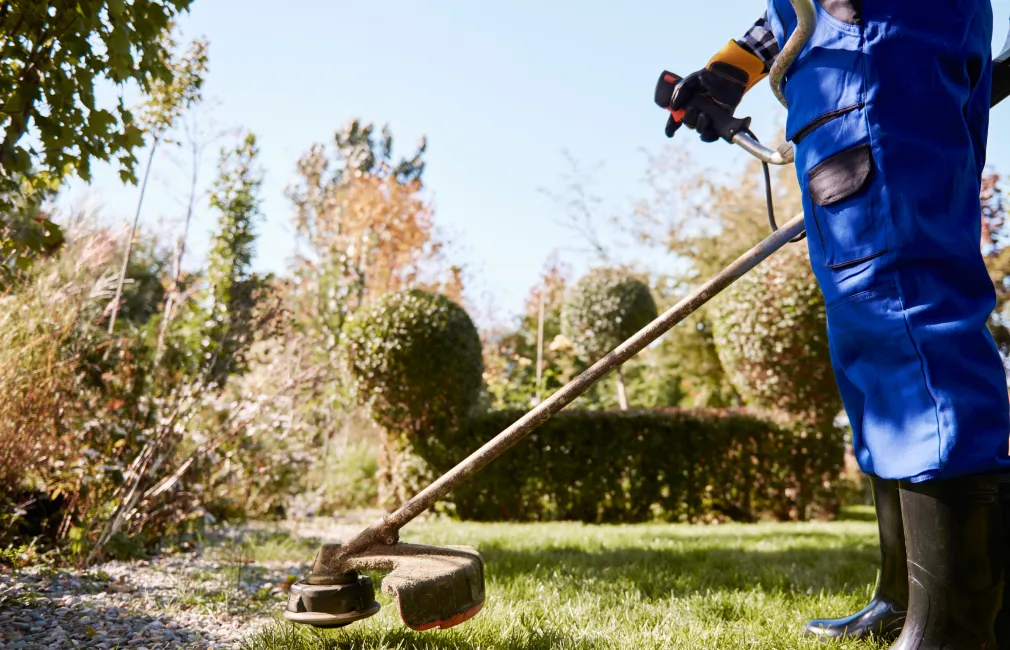
Moore Haven Green Waste Disposal Types

Grass Clippings
-
Tree Branches
-
Shrub Trimmings
-
Leaves Collection
-
Garden Debris
-
Palm Fronds
-
Mulch Recycling
Our Green Waste Disposal Process
Collection of Green Waste
Sorting and Separation
Transport to Disposal Facility
Eco-Friendly Processing
Why Choose Moore Haven Landscape Services
-
Moore Haven Homeowners Trust Us
-
Expert Lawn Maintenance
-
Reliable Scheduling
-
Competitive Pricing
-
Professional Team
-
Satisfaction Guarantee
-
Personalized Service
Coordinating Green Waste Disposal Through Moore Haven's Public Works and Code Enforcement
Green waste disposal in Moore Haven requires coordination with both city and county departments responsible for vegetative debris collection, right-of-way maintenance, and code compliance. Moore Haven's Public Works department oversees municipal infrastructure that includes roadside drainage swales and curbside areas where residents commonly stage yard waste for pickup. Property owners and managers should verify current collection schedules, accepted material types, and any bundling or containerization requirements directly with the city before placing green waste at the curb. Glades County also administers community development services that may affect how larger-scale vegetative debris from land clearing or site work is handled outside city limits.
- Confirm whether loose piles, bundled branches, or containerized clippings are required for curbside collection
- Keep all staged green waste away from drainage swales, canal banks, and stormwater inlets
- Verify whether commercial-volume green waste requires separate hauling arrangements through the county
- Contact code enforcement if neighboring properties accumulate vegetative debris that obstructs drainage or creates nuisance conditions
City of Moore Haven Public Works
299 Riverside Drive, Moore Haven, FL 33471
Official Website: City of Moore Haven Public Works
Moore Haven Zoning and Building Code Enforcement
299 Riverside Drive, Moore Haven, FL 33471
Official Website: Moore Haven Zoning and Building Code Enforcement
How Moore Haven's Lakeside Location and Subtropical Climate Shape Green Waste Volume
Moore Haven sits along the western shore of Lake Okeechobee in inland South Florida, classified within USDA Hardiness Zone 10a, where subtropical heat and high humidity drive aggressive year-round vegetative growth. The city's position within the Caloosahatchee River and Lake Okeechobee watershed means that organic debris entering local drainage systems can contribute nutrient loading into already sensitive waterways. Soils in the Moore Haven area tend toward poorly drained muck and marl compositions common to the Lake Okeechobee basin, which retain moisture and support rapid regrowth of turf, shrubs, and volunteer vegetation after clearing.
- Wet-season intensity: May through October delivers the bulk of annual rainfall, often exceeding 50 inches, accelerating grass clipping and brush accumulation
- High water table: Saturated soils limit on-site composting options and increase the risk of organic leachate reaching groundwater or surface drainage
- Year-round growth: Unlike northern Florida, Moore Haven rarely experiences frost-driven dormancy, meaning green waste generation continues through every month
- Canal and lake proximity: Vegetative debris left near canal edges, lake berms, or roadside swales can wash into the South Florida Water Management District's controlled waterways during storm events
Navigating Moore Haven's Regulatory Framework for Proper Green Waste Disposal
Residents and contractors handling green waste in Moore Haven must comply with both municipal code enforcement standards and broader Florida environmental regulations. The city's code enforcement office addresses nuisance vegetation, debris accumulation on private property, and obstructions to public rights-of-way. Vegetative waste that enters stormwater conveyances—including roadside swales, drainage ditches, and canal systems—may trigger compliance concerns under the Florida DEP NPDES Stormwater Program, which regulates pollutant discharge into waters of the state. The federal Clean Water Act further reinforces prohibitions against depositing organic material into navigable waterways.
- Open burning of yard waste within city limits may require authorization; verify current burn restrictions with Glades County Fire Services before igniting any vegetative debris
- Commercial landscapers generating large volumes of green waste should confirm whether the county operates a designated vegetative debris drop-off site or transfer facility
- Properties adjacent to Lake Okeechobee or the Caloosahatchee canal system face heightened scrutiny regarding organic material runoff
- Illegal dumping of green waste on vacant lots, canal banks, or public land is subject to code enforcement action
Glades County Community Development
Official Website: Glades County Community Development
Timing and Methods for Green Waste Disposal in Moore Haven's Subtropical Conditions
Professional green waste disposal in Moore Haven demands attention to seasonal timing, material handling, and transport logistics shaped by the region's climate. During the wet season, rapid turf growth from bahiagrass and St. Augustinegrass lawns can double weekly clipping volumes compared to the drier winter months. Storm events from June through November frequently generate large quantities of downed palm fronds, broken branches, and uprooted shrubs that require prompt removal to prevent drainage obstruction. According to UF/IFAS guidance on protecting Florida's water resources, keeping organic debris out of waterways is essential for reducing nutrient pollution.
- Schedule major pruning and clearing projects during the dry season (November through April) when debris volumes are more manageable and transport conditions are more predictable
- Separate woody material from soft green waste such as grass clippings and leaf litter, as disposal or composting requirements may differ
- Avoid staging green waste piles on canal berms, lake edges, or within drainage easements where rainfall can carry material into waterways
- For storm-damaged vegetation, document debris conditions and coordinate with Glades County Parks and Recreation or Public Works regarding any emergency collection programs activated after named storms
Florida Forest Service – County Forester Directory
Official Website: Florida County Forester Directory
What Neighborhoods Do We Serve Throughout Moore Haven, FL?
- Downtown Moore Haven: Older residential lots along Avenue J and surrounding streets feature mature shade trees and established hedges that generate consistent green waste requiring regular curbside staging and removal coordination with Public Works.
- Riverside Drive Corridor: Properties along the Caloosahatchee River and canal frontage produce palm fronds, riparian vegetation trimmings, and storm debris that must be kept clear of waterway edges and drainage structures.
- US-27 Residential Areas: Homes along and adjacent to the US-27 corridor sit on slightly elevated fill soils with mixed turf and ornamental plantings that generate moderate but steady volumes of clippings and hedge trimmings.
- Lakeport Road Vicinity: Properties extending toward the eastern portions of the community near Lake Okeechobee contend with high water table conditions and dense subtropical vegetation that accelerates green waste accumulation.
- Palmdale Highway Outlying Areas: Rural-residential parcels along SR-29 north of the city center often manage larger volumes of brush and vegetative debris from pasture edges, fence lines, and wooded lot boundaries.