
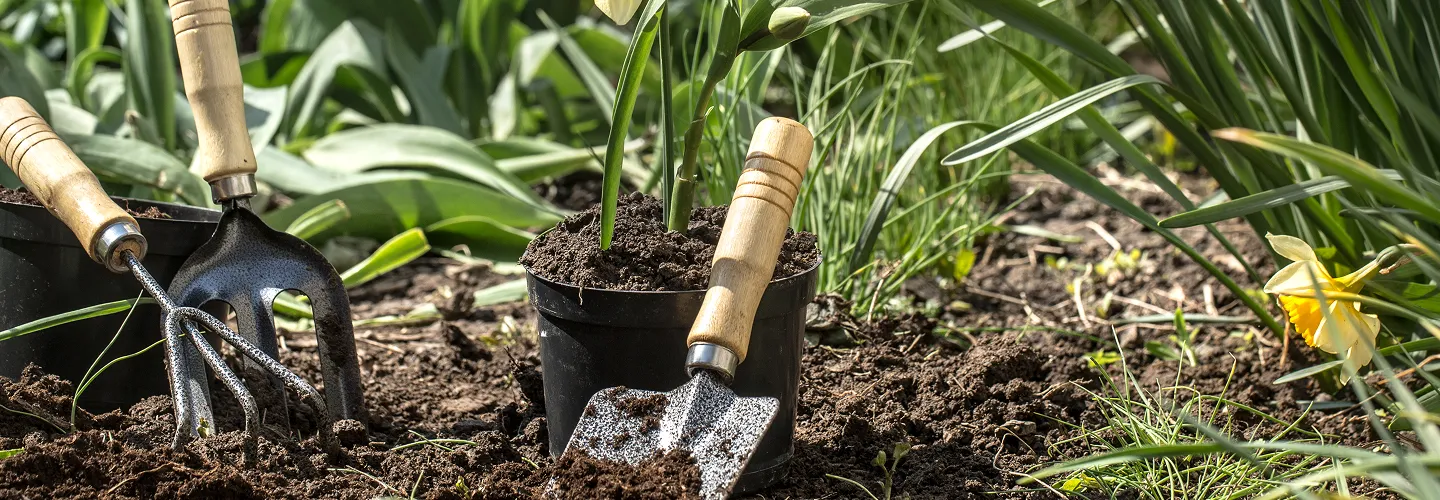
Moore Haven Artificial Grass Installation Services
Choose our Artificial Grass Installation for a beautiful, maintenance-free lawn that saves water, reduces upkeep, and stays green all year round—perfect for busy families and businesses seeking lasting curb appeal.
Get a Free QuoteOur Moore Haven Landscaping & Yard Care Services
When to Schedule Artificial Grass Installation in Moore Haven, Florida – Seasonal Guide
Choosing the right time for artificial grass installation in Moore Haven, Florida, can make a significant difference in the longevity and appearance of your new lawn. Moore Haven’s subtropical climate means that mild winters and hot, humid summers are the norm, but local factors such as the proximity to Lake Okeechobee, frequent afternoon thunderstorms, and occasional drought conditions all play a role in determining the best installation window. For most homeowners in neighborhoods like Horseshoe Acres or near the Glades County Courthouse, late winter through early spring is often ideal. During these months, the risk of frost has passed, soil moisture is balanced, and the intense summer heat has not yet arrived, allowing for optimal turf rooting and settling.
It’s also important to consider environmental specifics such as shade coverage from mature oaks along Riverside Drive, the sandy-loam soil common in the area, and municipal guidelines regarding water conservation. These factors can influence not only when but how artificial grass should be installed. For more information on local regulations and best practices, you can consult resources like the Sudbury municipal site, which offers helpful insights for property owners.
Local Factors to Consider for Artificial Grass Installation in Moore Haven
- Tree density and shade coverage, especially in established neighborhoods
- Soil type and drainage, with sandy soils requiring specific preparation
- Seasonal precipitation patterns and risk of drought
- Municipal restrictions on water usage or landscaping
- Terrain slope and proximity to water bodies like Lake Okeechobee
- Timing around local events or community maintenance schedules
Benefits of Artificial Grass Installation in Moore Haven
Low Maintenance Landscaping
Year-Round Green Appearance
Water Conservation
Pet-Friendly Surfaces
Allergy Reduction
Long-Lasting Durability
Moore Haven Artificial Grass Installation Types

Residential Lawn Installation
-
Pet-Friendly Turf Solutions
-
Commercial Landscape Turf
-
Playground Artificial Grass
-
Sports Field Turf Installation
-
Rooftop and Balcony Turf
-
Golf Putting Green Installation
Our Artificial Grass Installation Process
Site Evaluation
Ground Preparation
Base Installation
Laying Artificial Grass
Securing and Finishing
Why Choose Moore Haven Landscape Services
-
Moore Haven Homeowners Trust Us
-
Expert Lawn Maintenance
-
Reliable Scheduling
-
Competitive Pricing
-
Professional Team
-
Satisfaction Guarantee
-
Personalized Service
Coordinating Artificial Grass Installation Projects with Moore Haven Municipal Departments
Property owners in Moore Haven considering artificial grass installation should coordinate with both city and county offices before beginning site work. Because Moore Haven is a small municipality within Glades County, certain development review functions—including land-use compliance and site work evaluation—are handled at the county level through the Glades County Community Development Department. Residents should confirm whether their proposed installation triggers any site-modification review, particularly for projects that alter existing drainage patterns, affect right-of-way frontage, or involve properties adjacent to the Caloosahatchee River or municipal canal infrastructure. The City of Moore Haven's Zoning and Building Code Enforcement office addresses property-level code compliance, including frontage appearance and setback considerations that may apply to synthetic turf placement.
- Confirm whether your property falls under city or county jurisdiction for development review
- Verify that proposed grading changes do not redirect runoff toward neighboring parcels, swales, or canal edges
- Contact the city's code enforcement office to confirm any frontage or appearance standards that apply to synthetic surfaces
Moore Haven Zoning and Building Code Enforcement
299 Riverside Drive, Moore Haven, FL 33471
Official Website: Moore Haven Zoning and Building Code Enforcement
Glades County Community Development
500 Avenue J, Moore Haven, FL 33471
Official Website: Glades County Community Development
How Moore Haven's Inland Climate and Soils Affect Artificial Grass Installation
Moore Haven sits along the western shore of Lake Okeechobee in USDA Hardiness Zone 10a, classified within the South Florida inland subtropical region. The area receives approximately 50–55 inches of rainfall annually, with the majority concentrated between June and October. These conditions create specific challenges for artificial grass installation that differ from coastal or urban Florida settings.
- High water table and saturated soils: Moore Haven's proximity to Lake Okeechobee and the Caloosahatchee River means many residential lots experience seasonally elevated water tables, which can compromise subgrade stability beneath synthetic turf if drainage is not properly engineered
- Sandy and organic-rich soils: Soils in the Moore Haven area tend toward fine sands and muck-influenced profiles common to the Lake Okeechobee basin, requiring thorough compaction and potentially imported crushed aggregate to establish a stable base layer
- Extreme surface heat: Synthetic turf in inland South Florida can reach surface temperatures exceeding 150°F during summer afternoons, making infill selection and shade proximity important considerations for usability and material longevity
- Wet-season saturation: Intense summer thunderstorms can deliver several inches of rain in a single event, demanding that the base and drainage layer beneath artificial grass handle rapid infiltration without pooling or lateral displacement
The USDA Web Soil Survey provides parcel-level soil data that can help installers assess subgrade conditions before excavation begins.
Navigating Moore Haven's Zoning and Stormwater Compliance for Artificial Grass Installation
Artificial grass installation in Moore Haven must account for both local code enforcement standards and broader stormwater management obligations. The city's code enforcement framework addresses property maintenance, frontage appearance, and nuisance conditions, all of which may intersect with synthetic turf projects—particularly on front-facing lots or properties visible from public rights-of-way.
- Properties within flood-prone areas near Lake Okeechobee or the Caloosahatchee corridor should verify whether any floodplain development restrictions apply through the county's community development office
- Stormwater runoff from synthetic surfaces must not be directed into municipal swales, canal banks, or storm-drain inlets without appropriate drainage design; the Florida DEP NPDES Stormwater Program outlines discharge standards that apply to site modifications affecting runoff behavior
- Any project that involves removing existing vegetation and replacing it with an impervious or semi-permeable synthetic surface may alter the site's stormwater characteristics, which could require review under local or South Florida Water Management District guidelines
- Installers should ensure that edge restraints, base materials, and infill do not introduce sediment or debris into adjacent drainage infrastructure
The UF/IFAS Synthetic Turfgrass Infographic provides a useful overview of environmental considerations associated with synthetic turf in Florida landscapes.
City of Moore Haven Public Works
299 Riverside Drive, Moore Haven, FL 33471
Official Website: City of Moore Haven Public Works
Timing and Subgrade Standards for Artificial Grass Installation in Moore Haven
Professional artificial grass installation in Moore Haven requires careful attention to subgrade preparation, drainage engineering, and seasonal timing to ensure long-term performance under South Florida's demanding climate.
- Subgrade excavation and compaction: Installers typically excavate 3–4 inches of existing soil and replace it with a compacted crushed-stone base, often using Class II road base or decomposed granite; in Moore Haven's sandy and organic soils, additional compaction passes may be necessary to prevent settling
- Drainage layer construction: A permeable base layer must allow water to pass through at a rate sufficient to handle peak wet-season rainfall; perforated drain pipes may be required on lots with poor natural drainage or elevated water tables
- Weed barrier installation: A commercial-grade geotextile fabric should be placed between the compacted base and the turf backing to prevent weed intrusion from below, which is particularly important in Moore Haven's warm, humid growing environment
- Edge restraint and seam integrity: Bender board, aluminum edging, or concrete borders should secure the perimeter to prevent turf migration; seams must be glued and pinned to withstand thermal expansion during summer heat cycles
- Optimal installation timing: Scheduling installation during the dry season (November through May) reduces the risk of subgrade saturation during construction and allows base materials to cure and compact under more stable moisture conditions
Infill selection should account for Moore Haven's intense solar exposure; lighter-colored or coated infill products can reduce surface temperatures compared to standard crumb rubber.
What Neighborhoods Do We Serve Throughout Moore Haven, FL?
- Downtown Moore Haven — Properties along and near Avenue J and US-27 often feature smaller lots with limited setbacks, making precise edge restraint and drainage routing essential during artificial grass installation
- Riverside Drive Corridor — Homes along the Caloosahatchee River face elevated water table conditions and potential flood-zone considerations that require careful subgrade drainage design beneath synthetic turf
- Palmdale Road Area — Residential parcels east of the city center tend toward larger lot sizes with sandy soils, where thorough base compaction is critical to prevent settling under synthetic surfaces
- Lakeport Community — Located north of Moore Haven near Lake Okeechobee, properties in this area may encounter muck-influenced soils and seasonal saturation that demand enhanced drainage layers and stabilized subgrades
- South Moore Haven Residential Areas — Neighborhoods south of the SR-78 corridor include a mix of older and newer residential development where existing irrigation infrastructure may need to be capped or rerouted prior to synthetic turf installation