
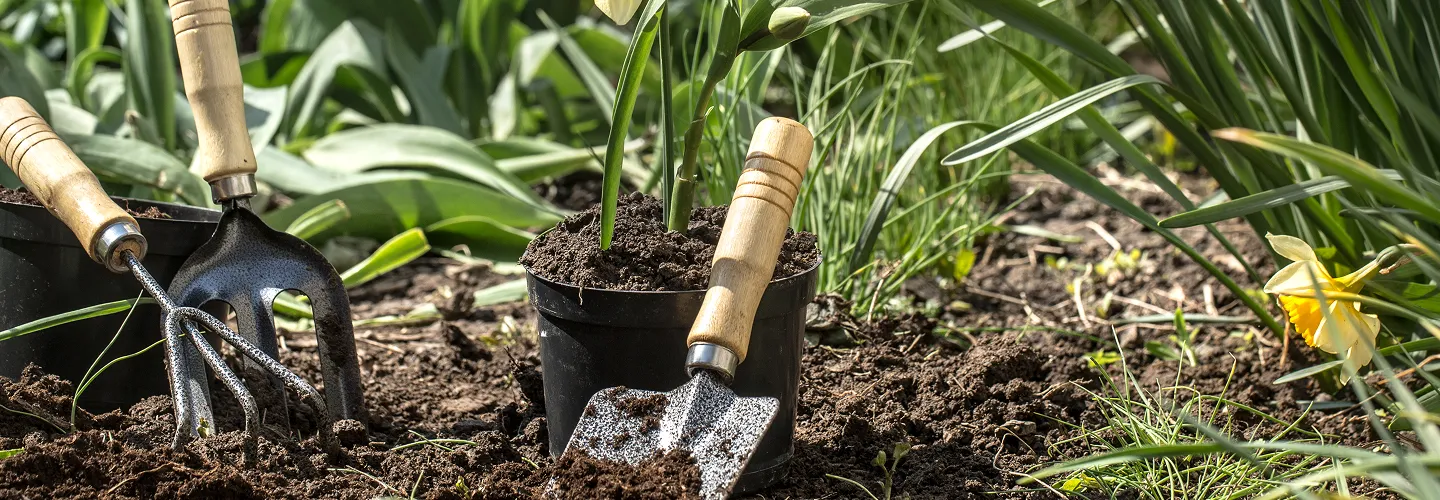
Moore Haven Lawn Mowing Services
Choose our lawn mowing service for reliable, professional results that keep your yard healthy, beautiful, and hassle-free all season long.
Get a Free QuoteOur Moore Haven Landscaping & Yard Care Services
When to Schedule Lawn Mowing in Moore Haven, Florida – Seasonal Guide
In Moore Haven, Florida, the timing of your lawn mowing routine is crucial for maintaining a healthy, vibrant yard. The region’s subtropical climate means that grass grows most vigorously from late spring through early fall, especially in neighborhoods near Lake Okeechobee and along Riverside Drive. Optimal mowing schedules should account for the area’s warm temperatures, high humidity, and the occasional heavy rainfall that can accelerate grass growth.
Local environmental factors such as the risk of late winter frosts, periods of drought during midsummer, and the sandy, well-draining soils common in Moore Haven neighborhoods like Horseshoe Acres all play a role in determining the best mowing frequency. Properties with dense shade from mature oaks or palms, or those near the Glades County Public Library, may require less frequent mowing due to slower grass growth. For more information on local regulations and best practices, visit the official city resource.
Local Factors to Consider for Lawn Mowing in Moore Haven
- Tree density and shade coverage, which can slow grass growth
- Soil type, especially sandy or well-draining soils
- Seasonal precipitation patterns and drought risk
- Proximity to water bodies like Lake Okeechobee
- Municipal restrictions or neighborhood association guidelines
- Terrain variations, such as sloped or uneven lawns
Benefits of Lawn Mowing in Moore Haven
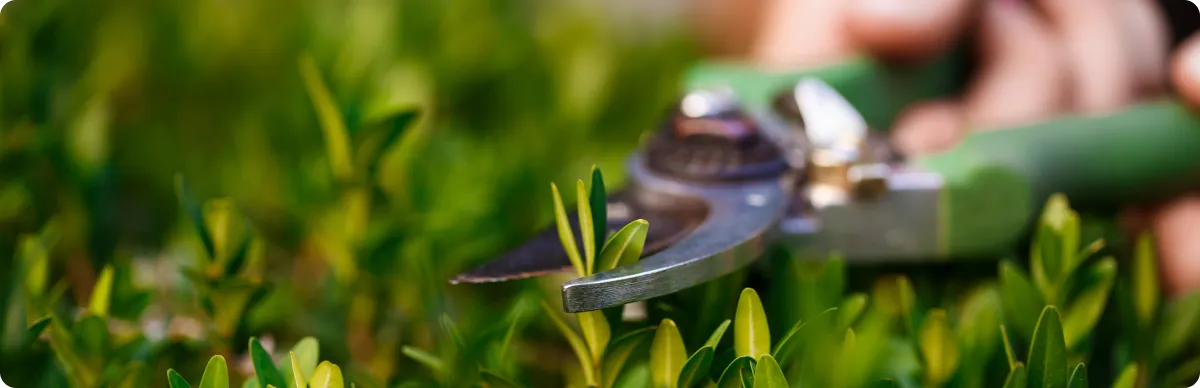
Professional Lawn Care Experts
Consistent Scheduling
Enhanced Curb Appeal
Time-Saving Services
Eco-Friendly Practices
Reliable Local Support
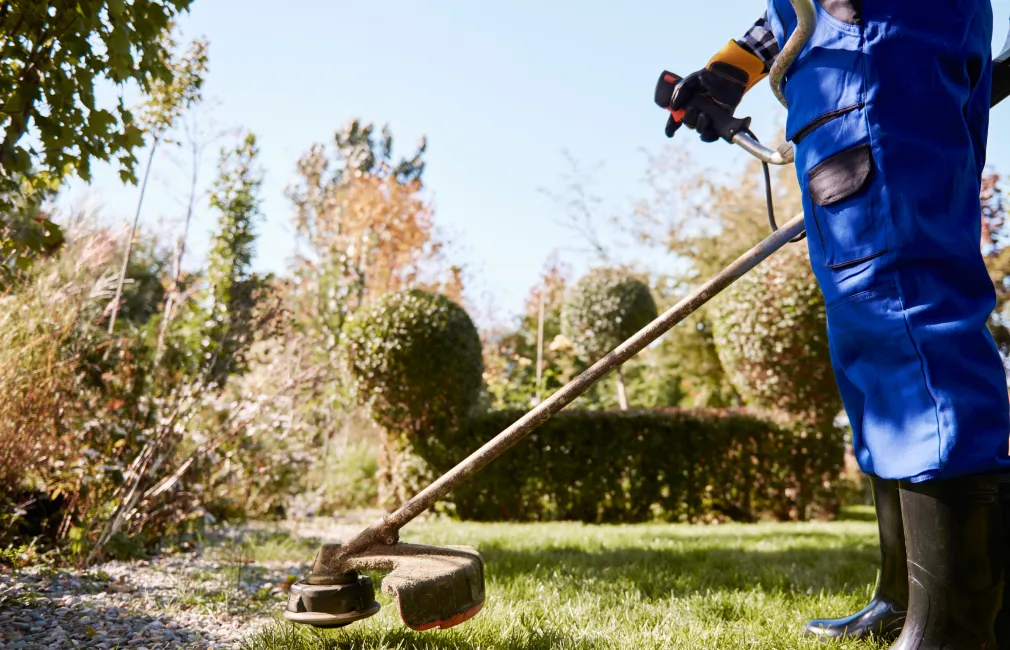
Moore Haven Lawn Mowing Types

Residential Lawn Mowing
-
Commercial Lawn Mowing
-
Zero-Turn Mowing
-
Push Mower Services
-
Riding Mower Services
-
Trimming and Edging
-
Seasonal Lawn Maintenance
Our Lawn Mowing Process
Site Evaluation
Equipment Preparation
Mowing Execution
Edging and Trimming
Cleanup
Why Choose Moore Haven Landscape Services
-
Moore Haven Homeowners Trust Us
-
Expert Lawn Maintenance
-
Reliable Scheduling
-
Competitive Pricing
-
Professional Team
-
Satisfaction Guarantee
-
Personalized Service
Coordinating Lawn Mowing Services with Moore Haven's Municipal Public Works Department
Moore Haven's small-town infrastructure and proximity to Lake Okeechobee make coordination with municipal departments essential for responsible lawn mowing. The City of Moore Haven Public Works Department oversees right-of-way maintenance, drainage infrastructure, and vegetative debris management within city limits. Residents and property managers should verify current yard waste collection procedures and curbside placement rules directly with Public Works before scheduling routine mowing, as grass clippings and trimmings left near swales, drainage ditches, or canal edges can obstruct stormwater flow and contribute to nutrient loading in local waterways.
- Grass clippings must not be blown or deposited into roadside swales, canal banks, or stormwater inlets
- Vegetative debris placed curbside should follow the city's current bundling and volume guidelines—verify specifics with Public Works
- Mowing along rights-of-way adjacent to drainage infrastructure requires attention to grade and shoulder stability
- Properties bordering the Caloosahatchee Canal or municipal drainage ditches should maintain a mowed buffer without allowing clippings to enter the waterway
City of Moore Haven Public Works
Official Website: City of Moore Haven Public Works
Code enforcement in Moore Haven addresses overgrown lots and nuisance vegetation. Property owners who allow turf to exceed locally established height thresholds may receive code enforcement notices. Current enforcement standards and violation procedures can be reviewed through the city's Zoning and Building Code Enforcement page.
How Moore Haven's Subtropical Inland Climate Shapes Lawn Mowing Demands
Moore Haven sits in USDA Hardiness Zone 10a along the western shore of Lake Okeechobee, placing it firmly within South Florida's subtropical inland corridor. This location produces conditions that directly govern mowing frequency, turf health, and equipment scheduling throughout the year.
- Intense wet-season growth: From late May through October, Moore Haven receives the bulk of its approximately 50–55 inches of annual rainfall. Warm-season turf grasses such as St. Augustinegrass, bahiagrass, and bermudagrass can require mowing every 5–7 days during peak summer months due to rapid growth fueled by heat and moisture
- High water table and poorly drained soils: Much of the area features flatwoods-type sandy soils with limited internal drainage and seasonally high water tables, particularly on parcels near Lake Okeechobee and the Caloosahatchee system. Mowing on saturated ground causes rutting, compaction, and root-zone damage
- Humidity and fungal pressure: Persistent summer humidity promotes fungal diseases such as gray leaf spot in St. Augustinegrass. Mowing with dull blades or cutting too low during humid periods increases disease susceptibility
- Dry-season stress: From November through April, reduced rainfall and lower humidity slow turf growth significantly, often reducing mowing frequency to every two to three weeks. Irrigation management during this period, governed by South Florida Water Management District restrictions, directly affects how much mowing is needed
The UF/IFAS Gardening Solutions lawn maintenance resources provide region-specific mowing height and frequency guidance for the turf species common in Moore Haven's climate.
Moore Haven's Code Enforcement and Stormwater Regulations Affecting Lawn Mowing
Property maintenance in Moore Haven falls under the city's code enforcement authority, which addresses overgrown vegetation, lot neglect, and debris accumulation. The city's code enforcement officer has the authority to issue notices and pursue compliance actions against property owners who fail to maintain turf at acceptable heights. Residents should confirm current height thresholds and response timelines directly with the city, as these may be updated periodically.
- Overgrown lots that create visibility obstructions near intersections, sidewalks, or drainage structures may trigger accelerated enforcement action
- Vacant lot owners are subject to the same maintenance standards as occupied residential properties
- Grass clippings, leaf litter, and mowing debris that enter the municipal stormwater system can contribute to nutrient pollution in Lake Okeechobee, which is subject to state and federal water quality protections under the Clean Water Act
- The Florida DEP NPDES Stormwater Program establishes discharge standards that affect how lawn care debris and chemical applications are managed near drainage infrastructure
Moore Haven Zoning and Building Code Enforcement
Official Website: Moore Haven Zoning and Building Code Enforcement
Any lawn care operator applying pesticides or herbicides in conjunction with mowing services must hold appropriate licensure through the Florida Department of Agriculture and Consumer Services.
Timing and Technical Standards for Lawn Mowing in Moore Haven's Heat and Humidity
Professional mowing in Moore Haven requires adherence to turf-specific cutting heights and seasonal timing adjustments that account for the area's subtropical conditions. Cutting turf too short—known as scalping—exposes root zones to intense solar radiation and accelerates moisture loss, particularly on the sandy, low-organic soils common throughout Glades County.
- St. Augustinegrass: Maintain at 3.5–4 inches during active growth; never remove more than one-third of the blade length per mowing event
- Bahiagrass: Maintain at 3–4 inches; this species tolerates lower fertility but requires consistent mowing to manage seed head production during summer
- Bermudagrass: Maintain at 1–2 inches for common varieties; hybrid cultivars may require reel mowing for optimal appearance
- Mowing time of day: Schedule mowing during morning hours after dew has dried but before peak afternoon heat to reduce turf stress and operator heat exposure
- Blade maintenance: Sharpen mower blades regularly; ragged cuts from dull blades create entry points for fungal pathogens in Moore Haven's humid environment
- Clipping management: During peak wet-season growth, clippings may accumulate heavily. Mulching mowers return nutrients to the soil, but excessively thick clipping mats should be dispersed or collected to prevent smothering
Irrigation scheduling should be coordinated with mowing days. Mowing immediately after irrigation or heavy rainfall on Moore Haven's poorly drained soils leads to uneven cuts, tire rutting, and soil compaction that restricts root development.
Glades County Parks and Recreation
Official Website: Glades County Parks and Recreation
What Neighborhoods Do We Serve Throughout Moore Haven, FL?
- Downtown Moore Haven: Older residential lots near Avenue J and US-27 feature mature shade trees and compact yards where maneuvering larger mowing equipment requires careful planning around driveways, sidewalks, and overhead canopy
- Riverside / Caloosahatchee Canal Area: Properties along the canal corridor require particular attention to clipping containment and buffer maintenance to prevent organic debris from entering the waterway
- Lake Okeechobee Waterfront Parcels: Lots adjacent to the lake levee system often feature saturated soils during wet season, requiring mowing schedules that account for ground conditions and access limitations
- US-27 Corridor Residential Areas: Homes along and behind the US-27 commercial strip tend toward larger lot sizes with full-sun bahiagrass or St. Augustinegrass lawns that demand consistent summer mowing cycles
- Palmdale Road / SR-29 Outlying Properties: Rural-residential parcels along SR-29 north of the city center often feature mixed turf and native vegetation on sandy flatwoods soils, requiring adapted mowing heights and frequency