
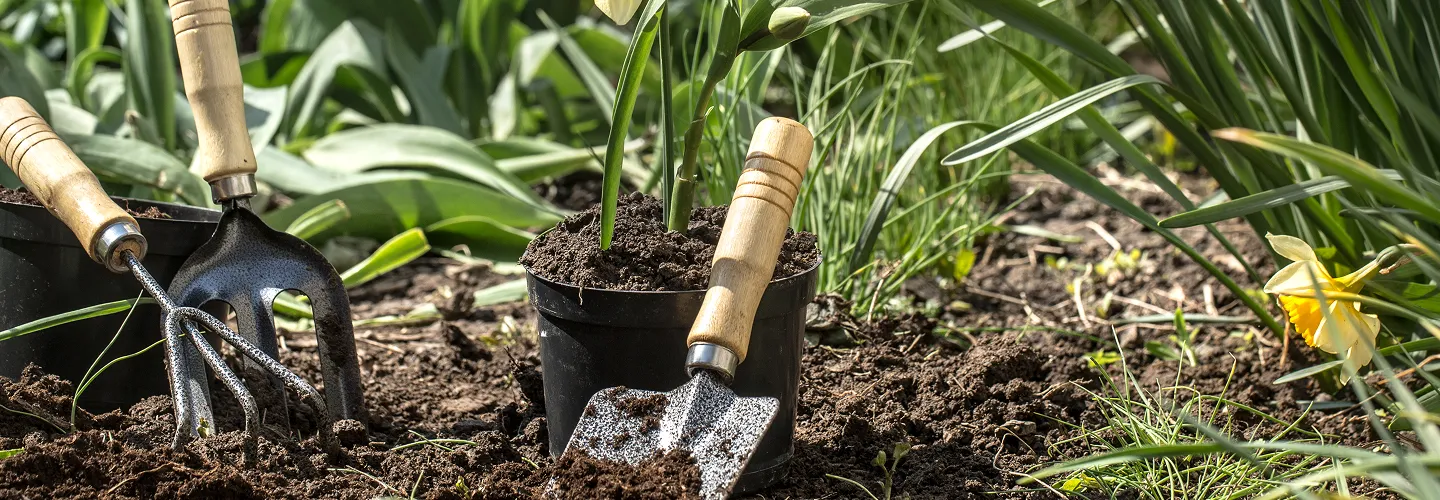
Moore Haven Plant Removal Services
Choose our plant removal services for safe, thorough, and environmentally responsible solutions that restore your landscape’s beauty and health—handled by experienced professionals you can trust.
Get a Free QuoteOur Moore Haven Landscaping & Yard Care Services
When to Schedule Plant Removal in Moore Haven, Florida – Seasonal Guide
In Moore Haven, Florida, timing your plant removal is crucial for both the health of your landscape and the efficiency of the process. The region’s subtropical climate, characterized by hot, humid summers and mild winters, means that the best periods for plant removal are typically late winter through early spring, before the onset of heavy rains and high humidity. This window allows for easier root extraction and minimizes regrowth, especially in neighborhoods like Lakeport and areas near the Caloosahatchee River, where soil can remain moist for extended periods.
Local environmental factors such as the risk of late frosts (usually ending by early March), periods of drought in late spring, and the prevalence of sandy soils in communities like Horseshoe Acres all play a role in determining the optimal removal schedule. Additionally, shade coverage from mature oaks in Riverside Drive or municipal guidelines—often updated on the city’s official website—can influence when and how plant removal should be conducted.
Local Factors to Consider for Plant Removal in Moore Haven
- Tree density and proximity to structures
- Terrain slope and soil composition (sandy vs. loamy)
- Seasonal precipitation and flood risk
- Local humidity and shade coverage
- Municipal restrictions or permit requirements
- Proximity to water bodies like the Caloosahatchee River
Benefits of Plant Removal in Moore Haven
Improved Curb Appeal
Healthier Landscapes
Pest and Disease Prevention
Enhanced Property Value
Customized Landscaping Solutions
Efficient and Safe Removal
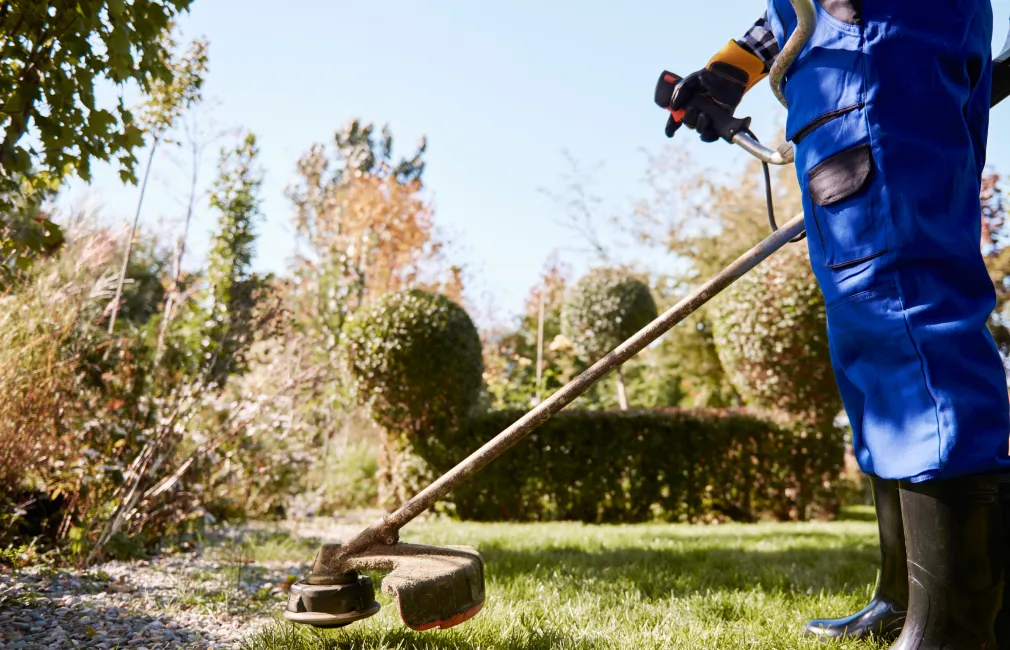
Moore Haven Plant Removal Types

Tree Removal
-
Shrub Removal
-
Stump Grinding
-
Invasive Species Removal
-
Root System Extraction
-
Hedge Clearing
-
Overgrown Vegetation Removal
Our Plant Removal Process
Site Evaluation
Preparation and Safety Measures
Plant Uprooting
Debris Removal
Site Restoration
Why Choose Moore Haven Landscape Services
-
Moore Haven Homeowners Trust Us
-
Expert Lawn Maintenance
-
Reliable Scheduling
-
Competitive Pricing
-
Professional Team
-
Satisfaction Guarantee
-
Personalized Service
Coordinating Plant Removal With Moore Haven's Public Works and Code Enforcement
Plant removal in Moore Haven requires coordination with municipal departments that oversee vegetative debris disposal, right-of-way maintenance, and property upkeep standards. Residents and property managers should confirm current vegetative waste collection procedures through the City of Moore Haven Public Works department before scheduling removal work, as disposal of root masses, shrub material, and organic debris must follow accepted handling and placement guidelines. Moore Haven's code enforcement office monitors properties for nuisance vegetation, overgrowth obstructing drainage infrastructure, and accumulation of plant debris along roadways and swales. Property owners who allow removed plant material to block swales, canal banks, or stormwater conveyances risk code violations.
- Verify curbside vegetative debris placement rules and pickup schedules with Public Works before beginning removal
- Ensure removed plant material does not obstruct drainage swales, canal edges, or roadway shoulders
- Confirm that large root-ball or stump material meets any applicable bulk disposal requirements
- Contact code enforcement if neighboring properties have nuisance vegetation encroaching on shared drainage features
City of Moore Haven Public Works
Official Website: City of Moore Haven Public Works
Moore Haven Zoning and Building Code Enforcement
Official Website: Moore Haven Zoning and Building Code Enforcement
How Moore Haven's Inland Subtropical Climate and Soils Affect Plant Removal
Moore Haven sits along the western shore of Lake Okeechobee in Glades County, placing it squarely within South Florida's subtropical inland zone. The city falls within USDA Hardiness Zone 10a, where year-round warmth drives aggressive vegetative growth and rapid root establishment. Several environmental factors directly influence plant removal operations in this area:
- High water table and lake proximity: Moore Haven's position adjacent to Lake Okeechobee and the Caloosahatchee River system means groundwater levels are frequently elevated, particularly during the wet season from June through October. Root extraction can encounter saturated soils, making mechanical removal more difficult and increasing the risk of site destabilization.
- Organic muck and marl-influenced soils: Soils in the Moore Haven area often include organic muck layers and marl deposits rather than the deep sandy profiles found along Florida's coasts. These soils hold moisture but can become unstable when disturbed, requiring careful site stabilization after plant removal.
- Invasive species pressure: The warm, humid environment supports aggressive colonization by invasive plants such as Brazilian pepper, melaleuca, and various climbing vines. Removal of these species requires attention to complete root extraction to prevent regrowth, and disposal must prevent spread to adjacent parcels or waterways.
- Seasonal flooding and drainage sensitivity: Low-lying lots near canals and retention areas may experience periodic inundation, complicating access and requiring removal work to be timed around dry-season windows when soil conditions are more stable.
Navigating Moore Haven's Regulatory Framework for Plant Removal Compliance
Plant removal activities in Moore Haven and Glades County must account for several layers of regulatory oversight. Property owners should not assume that removing vegetation from their own lot is exempt from review, particularly when work occurs near waterways, within utility easements, or along rights-of-way.
- Removal of vegetation within or adjacent to canal banks, drainage easements, or stormwater conveyance areas may require coordination with the South Florida Water Management District, which oversees water resources in the region
- Any use of herbicides to treat stumps, root systems, or invasive regrowth following plant removal must comply with Florida Statutes Chapter 487, which requires that commercial applicators hold valid FDACS pesticide applicator licenses
- Sediment, soil, and organic material displaced during removal must not enter stormwater systems; the Florida DEP NPDES Stormwater Program establishes discharge prevention standards applicable to land-disturbing activities
- Glades County Community Development should be consulted when plant removal is part of a larger site-clearing or land-use change project to confirm whether additional development review applies
Glades County Community Development
Official Website: Glades County Community Development
Timing and Methods for Professional Plant Removal in Moore Haven's Conditions
Effective plant removal in Moore Haven depends on aligning methods and scheduling with the area's subtropical climate patterns and soil behavior. Professional standards for this region emphasize site protection and post-removal stabilization as much as the extraction itself.
- Dry-season scheduling: The optimal window for plant removal in Moore Haven generally falls between November and May, when lower rainfall reduces soil saturation, improves equipment access, and minimizes erosion risk at the removal site
- Root-zone management: In Moore Haven's organic and marl-influenced soils, root systems often spread laterally rather than deeply. Extraction should account for shallow but extensive root networks to prevent regrowth and avoid undermining adjacent plantings or structures
- Site stabilization: Bare soil left after plant removal is highly vulnerable to erosion during summer storms. Exposed areas should be stabilized promptly with appropriate ground cover, mulch, or erosion-control fabric, particularly on lots that drain toward canals, swales, or retention areas
- Invasive species protocols: When removing confirmed invasive species, all viable plant material—including seeds, root fragments, and cuttings—should be bagged or contained for proper disposal rather than left on-site or placed in standard yard waste. The UF/IFAS resource on protecting Florida's water resources provides guidance on preventing contamination of waterways during landscape disturbance
- Herbicide follow-up: Cut-stump or basal-bark herbicide treatments applied to prevent regrowth of persistent species must be performed by appropriately licensed applicators and timed to avoid rainfall-driven runoff into adjacent water features
What Neighborhoods Do We Serve Throughout Moore Haven, FL?
- Downtown Moore Haven: Properties in the historic downtown core often feature mature ornamental plantings and older root systems that may conflict with aging infrastructure, sidewalks, and underground utilities, requiring careful extraction methods.
- Riverside / Caloosahatchee Corridor: Lots along the Caloosahatchee River and associated canal banks frequently encounter invasive vegetation and require plant removal that accounts for waterway setbacks and erosion-sensitive banks.
- Lakeshore Estates Area: Residential parcels near Lake Okeechobee experience elevated water tables and organic soils, making dry-season scheduling and post-removal stabilization especially important.
- US-27 Corridor Properties: Commercial and residential lots along the US-27 corridor may involve right-of-way adjacency and visibility requirements that affect how and when plant removal can be performed.
- Palmdale Road / Northern Glades County: Properties extending north of the city center toward rural Glades County often involve larger lots with mixed native and invasive vegetation requiring phased removal and disposal planning.