
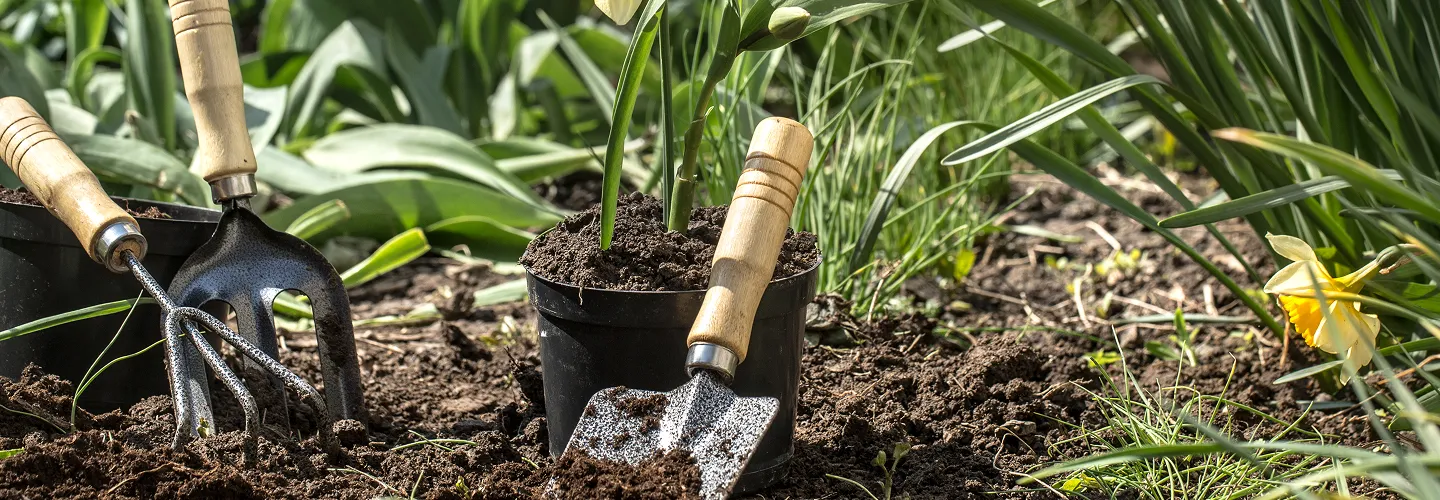
Moore Haven Weeding Services
Choose our professional weeding services for reliable, thorough weed removal that keeps your landscape beautiful and your plants thriving. We use proven techniques to ensure your yard stays weed-free and healthy all season long.
Get a Free QuoteOur Moore Haven Landscaping & Yard Care Services
When to Schedule Weeding in Moore Haven, Florida – Seasonal Guide
In Moore Haven, Florida, the timing of weeding services is crucial for maintaining healthy, attractive landscapes throughout the year. The region’s subtropical climate means that weeds can thrive nearly year-round, but the most effective periods for weeding are typically in early spring and late fall. These windows align with the area’s moderate temperatures and increased soil moisture, making it easier to remove weeds before they set seed. Neighborhoods near Lake Okeechobee and along Riverside Drive often experience higher humidity and denser shade, which can influence weed growth patterns and the frequency of required maintenance.
Local environmental factors such as the last frost date—usually in late January—should be considered, as well as the risk of drought during the summer months. Soil types in Moore Haven, especially in areas like the Glades County Civic Park vicinity, range from sandy to loamy, affecting both weed species and removal strategies. For more information on local regulations and best practices, consult the official city resources.
Local Factors to Consider for Weeding in Moore Haven
- Tree density and shade coverage, especially in neighborhoods like Horseshoe Acres
- Soil composition (sandy vs. loamy) impacting weed types and root depth
- Seasonal precipitation patterns and risk of summer drought
- Proximity to water bodies such as Lake Okeechobee, which can increase humidity
- Municipal restrictions or guidelines on herbicide use
- Terrain variations, including sloped yards or low-lying areas prone to pooling
Benefits of Weeding in Moore Haven
Enhanced Curb Appeal
Healthier Plant Growth
Reduced Pest Infestation
Improved Soil Quality
Increased Property Value
Professional and Reliable Service
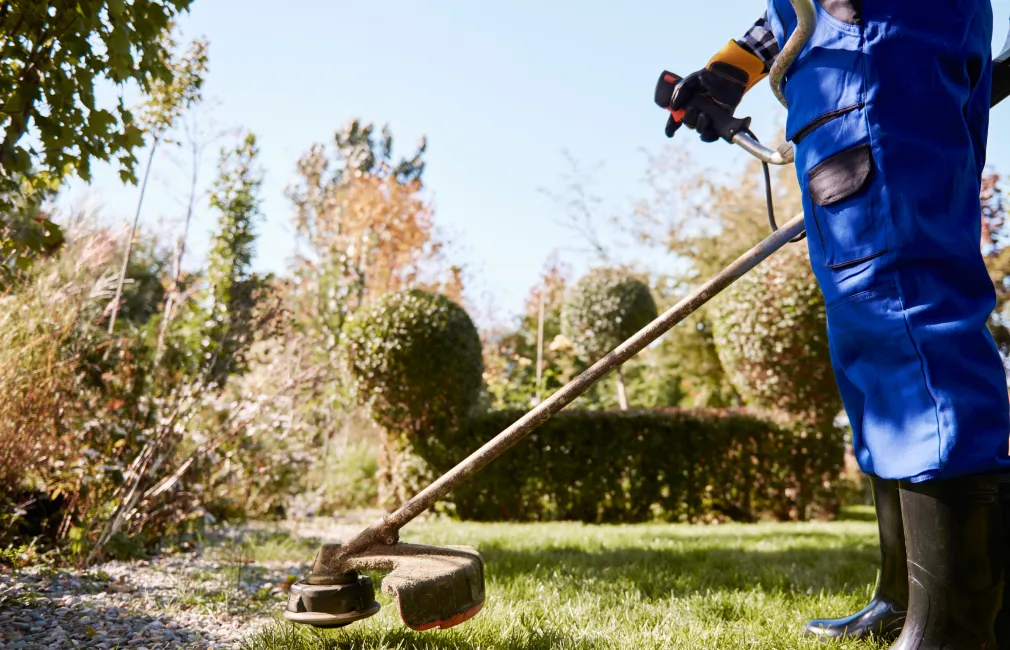
Moore Haven Weeding Types

Hand Weeding
-
Mechanical Weeding
-
Chemical Weed Control
-
Mulching for Weed Suppression
-
Flame Weeding
-
Soil Solarization
-
Selective Herbicide Application
Our Weeding Process
Site Evaluation
Weed Identification
Manual Removal
Soil Cultivation
Preventative Measures
Why Choose Moore Haven Landscape Services
-
Moore Haven Homeowners Trust Us
-
Expert Lawn Maintenance
-
Reliable Scheduling
-
Competitive Pricing
-
Professional Team
-
Satisfaction Guarantee
-
Personalized Service
Coordinating Weeding Services with Moore Haven's Municipal Code Enforcement Program
Property owners and managers in Moore Haven should be aware that the city actively enforces property maintenance standards, including the control of nuisance vegetation and overgrowth on residential and commercial lots. Moore Haven's code enforcement program addresses conditions such as unchecked weed growth along frontages, sidewalks, and rights-of-way that may create visibility hazards or contribute to neighborhood deterioration. Before initiating large-scale weeding on properties adjacent to municipal drainage infrastructure or canal edges, residents should coordinate with the city's Public Works department to confirm any restrictions on debris placement or vegetation disturbance near swales and stormwater conveyances.
- Verify current property maintenance standards through Moore Haven's code enforcement office before allowing weed accumulation to reach violation thresholds
- Coordinate vegetative debris disposal from weeding projects with the city's public works collection procedures
- Avoid depositing pulled weeds, soil, or organic material into drainage swales, canal banks, or curb inlets
City of Moore Haven Public Works
Official Website: City of Moore Haven Public Works
Moore Haven Zoning and Building Code Enforcement
Official Website: Moore Haven Zoning and Building Code Enforcement
How Moore Haven's Inland Subtropical Climate Drives Year-Round Weed Pressure
Moore Haven sits along the western shore of Lake Okeechobee in Glades County, placing it squarely within South Florida's inland subtropical zone. The city falls within USDA Hardiness Zone 10a, where freezing events are rare and warm-season weed species remain active for most of the year. The region's wet season, typically running from late May through October, delivers heavy rainfall that triggers rapid weed flushes in landscape beds, turf edges, and along hardscape borders. Soils in the Moore Haven area tend toward poorly drained organic mucks and sandy compositions influenced by the lake's proximity and the surrounding agricultural flatlands, creating conditions where moisture retention accelerates weed germination.
- High water table: Moore Haven's low elevation and lakeside position keep soil moisture elevated, reducing the effectiveness of drought-based weed suppression
- Nutrient-rich soils: Organic soils near the lake can support aggressive weed growth, particularly sedges, torpedograss, and broadleaf species adapted to wet conditions
- Extended growing season: With minimal frost risk, winter dormancy periods for weeds are brief or nonexistent, requiring sustained management rather than seasonal-only attention
- Humidity and fungal interaction: Dense weed cover in humid conditions can trap moisture against desirable plants, increasing fungal disease pressure in beds and turf borders
Navigating Pesticide Regulations and Stormwater Compliance for Weeding in Moore Haven
Any chemical weed control applied in Moore Haven must comply with Florida's pesticide regulatory framework. Under Florida Statutes Chapter 487, commercial applicators performing herbicide treatments must hold valid certification through the Florida Department of Agriculture and Consumer Services (FDACS) pesticide licensing program. Property owners applying herbicides on their own property are not required to hold a commercial license but must still follow all label directions, which carry the force of law in Florida.
- Herbicide applications near Lake Okeechobee, canals, retention areas, or municipal drainage systems must account for NPDES stormwater discharge requirements to prevent contaminated runoff from entering surface waters
- Pre-emergent herbicides should not be applied immediately before heavy rainfall events to reduce the risk of product migration into swales and storm drains
- Drift control measures are essential when spraying near canal banks, neighboring properties, or public rights-of-way
- Verify whether specific herbicide products carry aquatic-use restrictions, particularly for properties bordering Lake Okeechobee or connected canal systems
Residents and property managers should confirm current stormwater protection expectations with the appropriate county department, as Moore Haven's drainage infrastructure connects to the broader South Florida water management network.
Glades County Community Development
Official Website: Glades County Community Development
Timing Weeding Around Moore Haven's Wet Season and Warm-Season Growth Cycles
Effective weeding in Moore Haven requires alignment with the area's distinct seasonal patterns. Pre-emergent treatments for common warm-season weeds such as crabgrass and spurge are most effective when applied in late February through early March, before soil temperatures consistently exceed 65°F and trigger germination. A second pre-emergent application window typically occurs in early September to address late-season weed flushes. Post-emergent treatments and hand weeding should be scheduled during active growth periods when weeds are most susceptible to control measures.
- Hand weeding is most productive after rainfall events when soil is moist and root systems release more completely, reducing regrowth from broken root fragments
- Timing before seed set is critical; removing weeds before they flower and disperse seed prevents exponential population increases in subsequent months
- Bed-edge maintenance along mulched areas, walkways, and driveways should occur on a regular cycle, as weed pressure along hardscape transitions is persistent in Moore Haven's climate
- Mulch depth of approximately two to three inches in landscape beds suppresses weed germination by blocking light, though organic mulch in Moore Haven's humid conditions decomposes relatively quickly and requires periodic replenishment
- Integrated pest management (IPM) principles, as recommended by UF/IFAS, should guide the decision between mechanical removal, cultural suppression, and targeted chemical control based on weed species and site conditions
What Neighborhoods Do We Serve Throughout Moore Haven, FL?
- Downtown Moore Haven: Properties in the historic downtown core often feature older landscape beds with compacted soils and established weed seed banks along sidewalks, foundations, and narrow lot borders requiring frequent hand weeding and edge maintenance
- Riverside / US-27 Corridor: Lots along the US-27 corridor near the Caloosahatchee River experience high moisture levels and roadside weed pressure, with drainage swales that demand careful herbicide placement to protect surface water quality
- Lake Okeechobee Waterfront Area: Waterfront properties adjacent to the lake and its associated levee system face persistent sedge and aquatic weed encroachment, requiring coordination with water management guidelines before applying any chemical treatments near the shoreline
- Palmdale Road / Northern Glades County: Rural-residential properties along the northern approaches to Moore Haven tend toward larger lots with sandy soils and open sun exposure, creating conditions where broadleaf weeds and grassy invaders spread rapidly without consistent management
- South Moore Haven Residential Area: Residential neighborhoods south of the city center include modest lot sizes with St. Augustinegrass turf and ornamental beds where weed competition along bed edges and driveway joints is a recurring maintenance concern